Fascia Health and a One-Minute Exercise for Back Stiffness
07/13/2026 / By Edison Reed

Chronic back stiffness and limited mobility may be linked to dysfunction in the body’s fascial network, according to Dragon Cheng, founder of Intelligence of Body and a spine health coach. Speaking on the program “Health 1+1” on NTD, Cheng said many common complaints — including stiffness, soreness, limited mobility, and chronic pain — can be traced back to fascia problems. He recommends a one-minute “roll down, roll up” exercise to restore fascial mobility in the lower back.
Fascia is a continuous web of fibrous tissue that wraps around and supports muscles, bones, and organs, providing stability and strength so that body parts can glide smoothly against each other, according to a report by EverydayHealth.com [1]. Healthy fascia is flexible, but when it becomes tight or injured, stiffness and pain may result.
Fascia as a Continuous Network
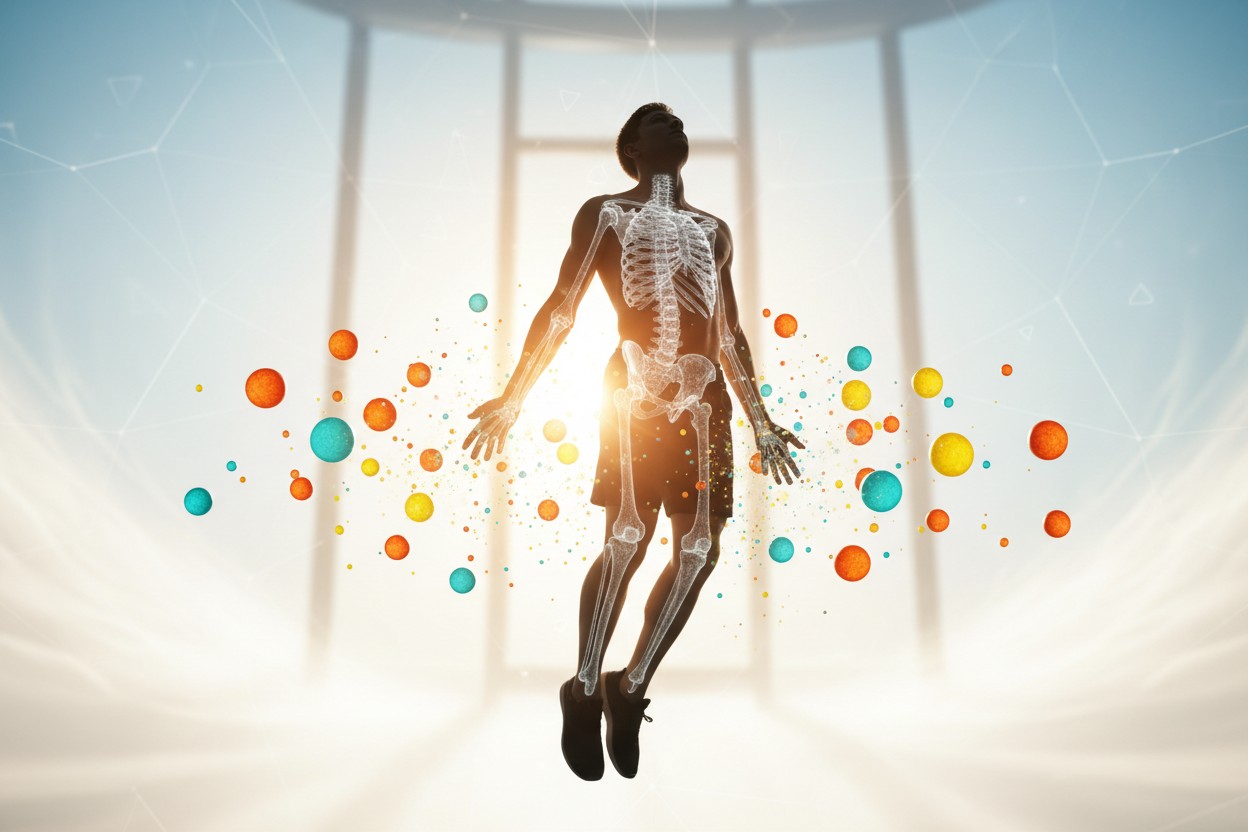
Fascia is a thin, interconnected membrane that accounts for about 20 percent of body mass, according to an article on Mercola.com [2]. The fascial system is now understood as a tensegrity system — a combination of tension and integrity — that holds the body together, explains Myer in the same article [3]. Unlike the conventional view of a rigid skeleton, bones actually float freely, held in place by fascia’s web-like architecture.
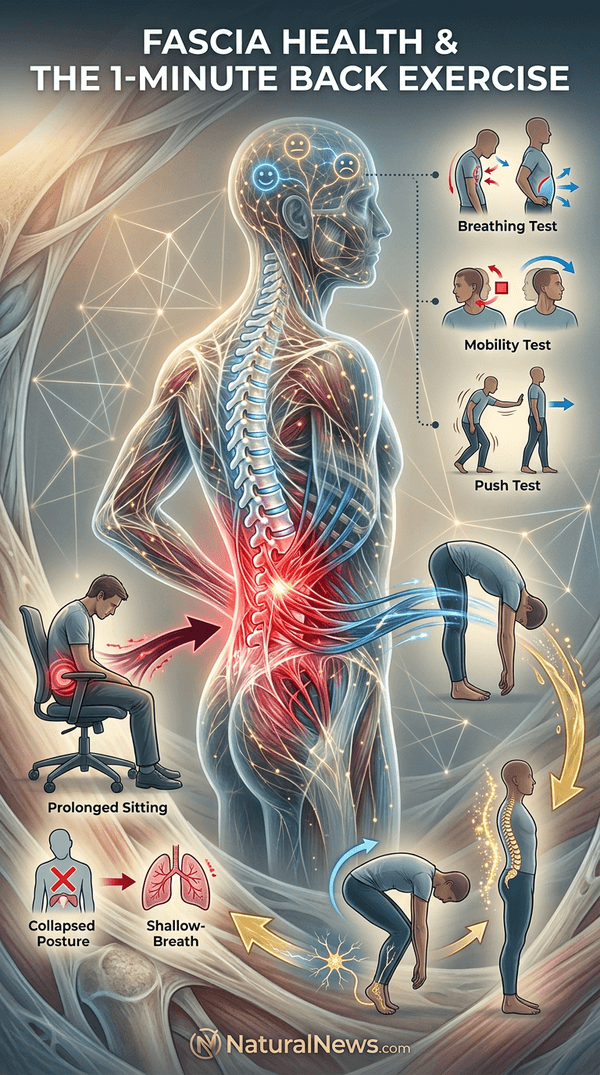
Prolonged sitting can cause fascial dehydration and stiffness, contributing to pain in areas distant from the actual restriction. Cheng described fascia as an “emotional organ” with over 250 million nerve endings, linking posture to mood. “Good breathing is good posture,” Cheng said, noting that a collapsed posture can restrict breathing and evoke feelings of fatigue or sadness. Leon Chaitow and Judith DeLany write in “Clinical Application of Neuromuscular Techniques Volume 1” that fascia is one form of connective tissue and that no tissue exists in isolation — a fallen arch can directly influence TMJ dysfunction [4].
Jenny Sutcliffe, author of “The back bible,” emphasizes the importance of diaphragmatic breathing for back muscle relaxation and reducing stiffness [5]. These sources agree that fascia is a continuous network affecting the entire body.
Simple Tests to Observe Fascial Tension
Cheng demonstrated three simple tests to show how collapsed posture restricts movement and stability. In the breathing test, slouching makes deep breathing feel restricted, but lengthening the spine immediately eases the breath. In the mobility test, turning the head or rotating the body feels limited in a collapsed posture, while an upright lengthened position improves range of motion without compressing the facet joints. In the push test, a light push from another person causes wobbling when the posture is collapsed, but standing tall keeps the body stable.
According to Cheng, these tests illustrate how fascial tension and posture affect physical function in real time. The results indicate that lengthening the spine improves breathing, mobility, and stability immediately, highlighting the role of the fascial network in maintaining balance.
The One-Minute Roll Down, Roll Up Exercise
Cheng recommends a one-minute “roll down, roll up” exercise to release stiff fascia in the back. The exercise involves three steps. First, push the hips backward and slowly roll down segment by segment, like a rolling scroll, letting the head hang completely relaxed toward the floor. Focus on feeling the back, especially the lower back, lengthen and open. Second, shift the center of gravity forward onto the balls of the feet, allowing the heels to lift slightly off the ground. This slight imbalance stimulates proprioceptive nerves. Third, with knees softly bent, roll back up one segment at a time — starting from the lower back through the thoracic spine, with the head the last to return upright.
Cheng performs this exercise every morning upon waking because poor fascia gliding in the back is a major cause of morning soreness. According to a report by Shan Lam and JoJo Novaes on The Epoch Times, this “effortless” release combined with gentle imbalance training effectively restores lower back fascia health. The report states that prolonged “hip flexion” from sitting can cause imbalances, and recommends that sedentary workers — such as long-haul drivers and office employees — perform relaxing movements like lunge stretches and back extensions during breaks.
Cautions on Massage and Concluding Context
Cheng cautions that aggressive massage can trigger protective thickening of the fascia, making stiffness worse. “When fascia is subjected to excessive force that risks tearing, it responds with protective thickening, becoming stiffer as a defense mechanism,” he said. He recommends using a smooth-surfaced foam roller for gentle rolling pressure rather than spiky “wolf tooth” rollers, which can create excessive stress. The essence of massage should be to rehydrate fascia and promote circulation, not to chase pain.
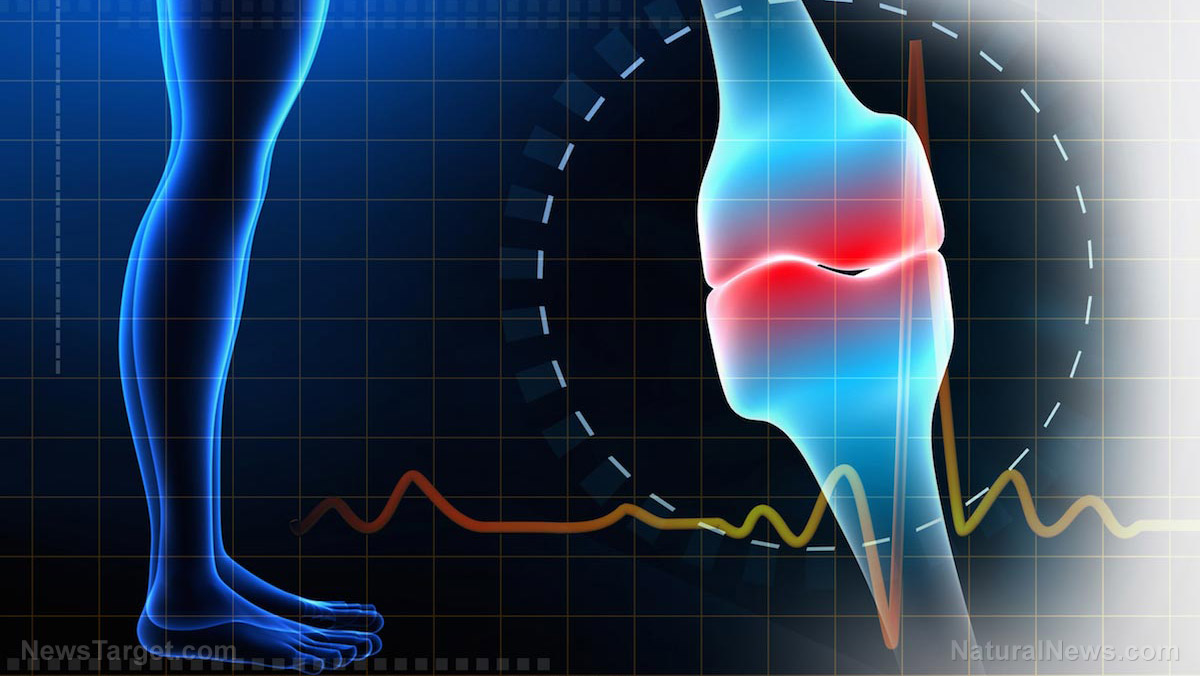
Nearly one-quarter of U.S. adults — 61 million people — suffer from chronic pain, according to a 2025 article by Willow Tohi on NaturalNews.com [6]. Myofascial release, a hands-on technique targeting the fascia, is gaining traction as a solution. By improving posture, moving regularly, avoiding prolonged sitting, and using gentle techniques to maintain fascial mobility, many people may reduce stiffness, move more freely, and prevent chronic aches before they start.
References
- “What Is Fascia, and Why Are Wellness Influencers Obsessed With ‘Releasing’ It?” EverydayHealth.com. May 7, 2026.
- Mercola.com. “The Overlooked Organ That Plays a Major Role in Back Pain.” Mercola.com. September 01, 2018.
- Mercola.com. “Fascia Tensegrity.” Mercola.com. September 01, 2018.
- Leon Chaitow and Judith DeLany. “Clinical Application of Neuromuscular Techniques Volume 1: The Upper Body.”
- Sutcliffe Jenny. “The back bible.”
- Willow Tohi. “Myofascial Release Emerges as a Revolutionary Solution to America’s Chronic Pain Crisis.” NaturalNews.com. June 13, 2025.
Explainer Infographic
Submit a correction >>
Tagged Under:
alternative medicine, back pain, exercise, fitness, health science, inflammation, low-impact aerobic exercise, natural cures, natural health, natural medicine, Naturopathy, pain relief, physical activity, remedies, stretching, tips
This article may contain statements that reflect the opinion of the author
RECENT NEWS & ARTICLES