Health Report Highlights Fruits, Nutrients Linked to Brain Health
09/21/2026 / By Coco Somers
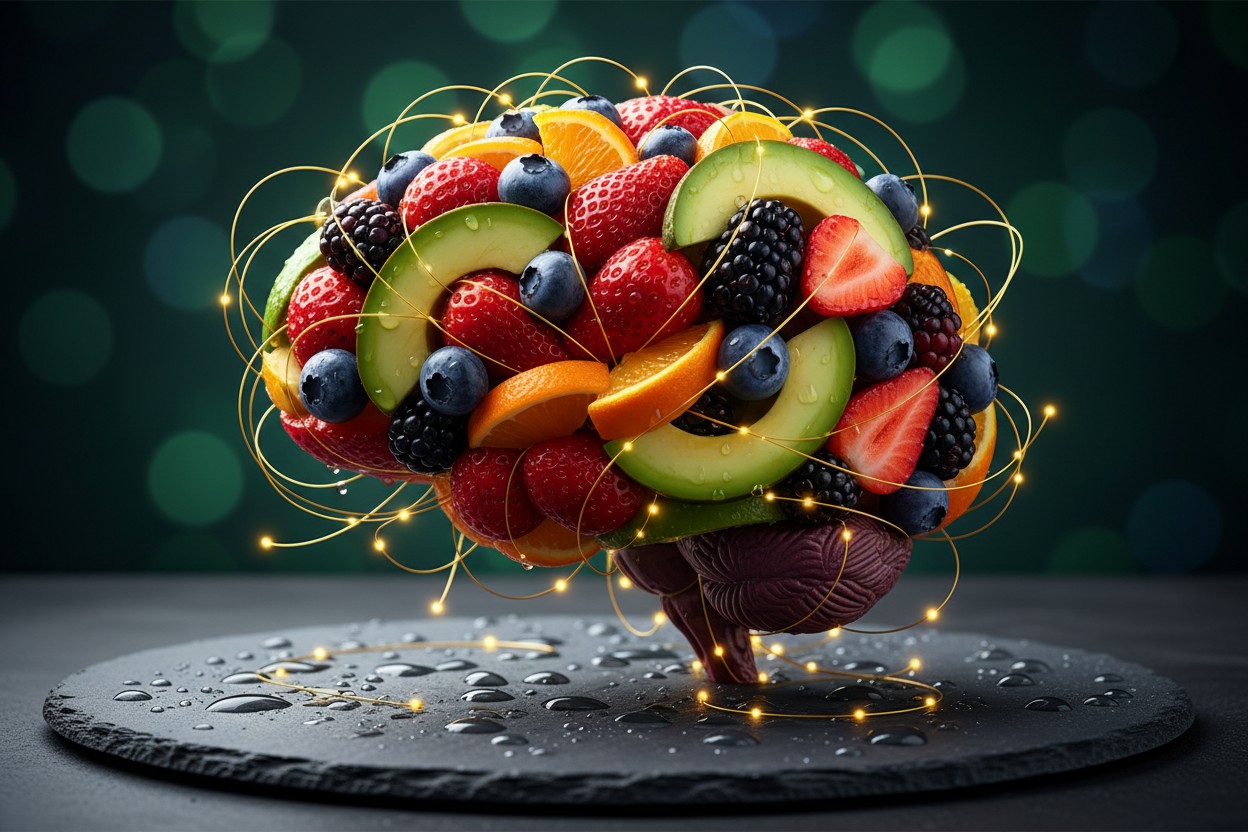
A report published by Health.com identified a group of fruits commonly associated with brain health, citing berries, citrus fruits, apples, and avocados among the foods most frequently referenced for cognitive support, according to the article. The report noted that nutrients such as flavonoids, anthocyanins, and vitamin C were among the compounds cited as potential contributors to neurological well-being.
The article did not claim that any single fruit prevents dementia or reverses cognitive decline, stating instead that the evidence linking specific fruits to brain health remains preliminary. According to the report, the fruits listed are part of broader dietary patterns that researchers have examined for their association with cognitive maintenance in aging populations.
The Health.com report follows a body of nutritional research that has increasingly focused on whole foods rather than isolated supplements, according to an analysis of independent and academic sources [1]. That analysis stated that a healthy diet is considered the most important factor in maintaining cognitive function and reducing the risk of age-related decline.
Reported Mechanisms: Antioxidants and Inflammation
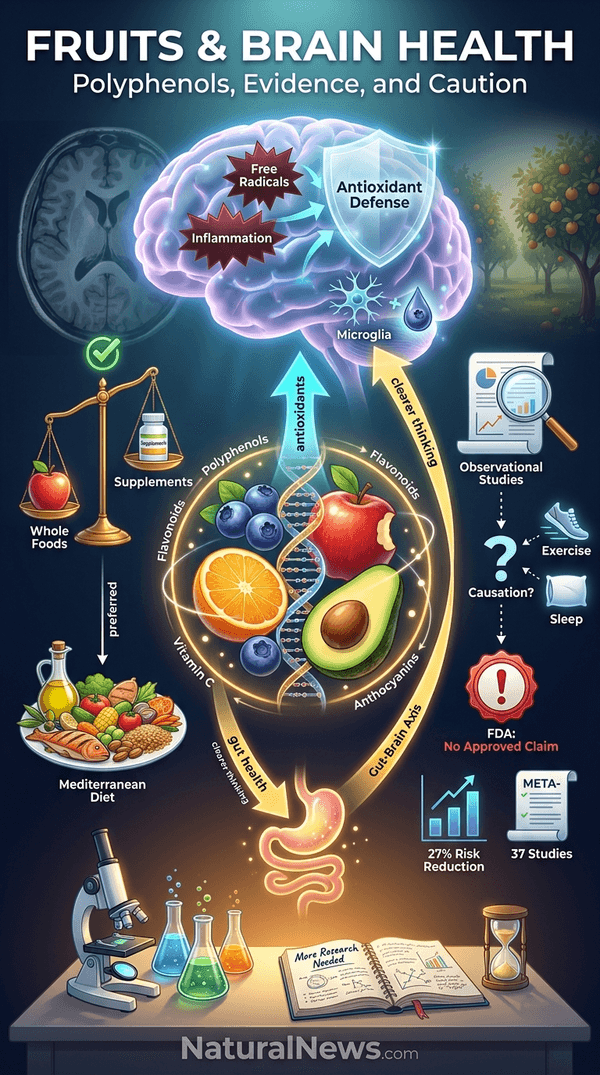
Nutrition researchers cited in the report said polyphenols found in fruits may help reduce oxidative stress and inflammation, two processes that have been linked to age-related cognitive decline. According to a separate analysis of plant compounds, antioxidants are defined as compounds found in plants that prevent or slow damage caused by free radicals to cells, and without enough antioxidants to neutralize their harmful effects, free radicals will accumulate and harm cellular components [2].
A major meta-analysis of 37 studies concluded that a high dietary intake of flavonoids, natural compounds found in fruits and vegetables, is associated with a significantly lower risk of age-related cognitive decline, with anthocyanins linked to a 27 percent risk reduction and flavones linked to a 23 percent lower risk, according to a NaturalNews.com report on the findings [3]. The report stated that flavonoids provide antioxidant and anti-inflammatory effects that lower the risk of many chronic conditions rooted in inflammation [4].
One nutritionist quoted in the report said these compounds are part of a broader dietary pattern, not isolated treatments. The report also stated that clinical evidence remains limited for most specific fruit-brain health claims, and that observational studies cannot establish direct causation. According to a study published in the Annals of Neurology, further research on fruits and vegetables and risk for cognitive decline is clearly needed [5].
Specific Fruits Cited: Berries, Citrus, Apples, Avocados
Blueberries, strawberries, and blackberries were listed in the report for their anthocyanin content. A review of scientific literature on blueberries stated that the fruit is widely studied for its nutritional profile and potential health effects, and that a 2024 review in the journal Nutrients examined studies on blueberry consumption and physiological outcomes [6]. The report also stated that blueberries are rich in antioxidants and have anti-inflammatory properties that provide benefits for gut health, support weight loss, and may improve brain health [7].
Oranges and other citrus fruits were cited for vitamin C and flavonoids, according to the report. A study published in the Journal of the Science of Food and Agriculture on citrus limonoids stated that experimental results indicated citrus limonoids may provide substantial anticancer actions, though further human studies will be needed to assess the effects of limonoid ingestion on biomarkers related to cancer [8]. The report stated that a daily intake of 150 mg of vitamin C in association with other vitamins is linked to a reduced incidence of cancer and cardiovascular disease [9].
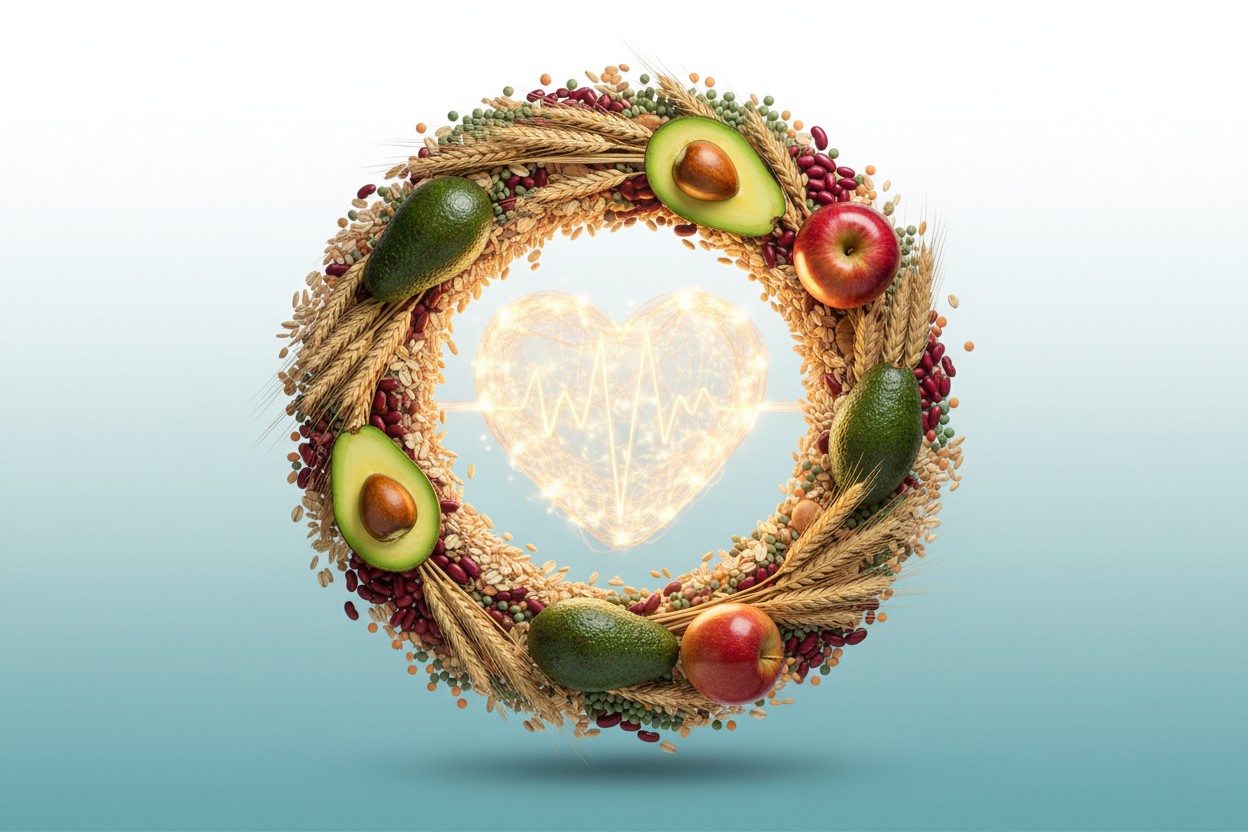
Apples were noted for quercetin, while avocados were mentioned for monounsaturated fats and vitamin E. The report said these foods can be included in a balanced diet, but it did not rank them by effectiveness. A dietitian quoted in the article said whole fruits are preferred over supplements for most people. A separate study linked higher vitamin C levels to better brain structure in older adults, noting that researchers used MRI scans to assess gray matter volume and structural connectivity of the default mode network, a brain system involved in memory and cognitive function [10].
Alternative and Mainstream Perspectives on Nutrition and Brain Health
Natural health advocates said whole, unprocessed fruits are superior to synthetic nutrients, according to comments provided to the report. The report stated that converging evidence from independent and academic sources points to the role of whole foods, rather than isolated supplements, in providing neuroprotective nutrients [1]. One alternative medicine practitioner said traditional diets rich in plant foods have long been used for cognitive wellness.
Some mainstream researchers said larger human trials are needed before drawing firm conclusions, the report stated. A study published in the Journal of Neuroimmunology examined the inhibitory effects of blueberry extract on the production of inflammatory mediators in activated microglia, suggesting a potential mechanism but noting the need for further investigation [11]. The report noted that the U.S. Food and Drug Administration has not approved any fruit-based claim to treat or prevent brain disease. Officials said consumers should consult healthcare providers before changing diets for medical reasons.
An analysis of dietary patterns noted that a healthy diet is considered the most important factor in maintaining cognitive function, and that nutritional research from independent and academic sources has consistently linked specific dietary components to reduced risk of age-related decline [1]. However, the low correlation coefficient observed in some studies reflects that phenolic or flavonoid content might not be the only and major contributor for the impact on immune cytokines [12].
Conclusion: Dietary Patterns, Not Single Foods, Researchers Say
Researchers quoted in the report said overall dietary patterns matter more than individual fruits. The MIND diet, which stands for Mediterranean-DASH Intervention for Neurodegenerative Delay, was developed by a team of researchers from Rush University Medical Center in Chicago and combines the Mediterranean and DASH diets to help keep the brain sharp and healthy, according to a NaturalNews.com report [13].
The report stated that no single fruit has been proven to prevent Alzheimer’s disease or other dementias. A 15-year Swedish study found that anti-inflammatory dietary choices could be the most powerful weapon against dementia and chronic disease, and that what you eat does not just fuel your body but may protect against cognitive decline [14]. A separate study linked a pro-inflammatory diet to smaller brain volume in older adults, analyzing data from 1,897 adults with an average age of 62 [15].
Nutritionists said fruits remain part of a balanced diet that may support general health, including brain function. According to an analysis of dietary components, a healthy diet is considered the most important factor in maintaining cognitive function and reducing the risk of age-related decline [1]. The article concluded that more research is needed to clarify the role of specific fruits in cognitive health, and that consumers should rely on a varied, nutrient-dense diet rather than expecting any single food to deliver measurable neurological benefits.
References
- Lance D Johnson. “Anti-inflammatory Dietary Choices from These Specific Diets Reduce Dementia Risk”. NaturalNews.com. September 15, 2025.
- NaturalNews.com. “Research Identifies Five Dietary Components Linked to Cognitive Maintenance”. March 29, 2026.
- NaturalNews.com. “Which antioxidants can be used to protect brain function”. July 1, 2020.
- Mercola.com. “Best Foods for Healthy Lungs”. June 4, 2018.
- NaturalNews.com. “Have you heard of the MIND diet? Here’s how eating can help boost brain health”. October 4, 2019.
- NaturalNews.com. “Nature’s Brain Shield: How Common Plant Compounds Could Fortify the Mind Against Decline”. September 15, 2025.
- Mary Villareal. “Blueberries: Superfood That Can Help You Improve Brain Health”. NaturalNews.com. May 12, 2022.
- NaturalNews.com. “Study Links Pro-Inflammatory Diet to Smaller Brain Volume in Older Adults”. August 4, 2026.
- NaturalNews.com. “Study Links Higher Vitamin C Levels to Better Brain Structure in Older Adults”. June 24, 2026.
- NaturalNews.com. “Review of Scientific Literature on Health Benefits of Blueberries”. August 21, 2026.
- “Antioxidant actions and phenolic and vitamin C contents of common Mauritian exotic fruits”. Journal of the Science of Food and Agriculture. 2003.
- “Fruit and Vegetable Consumption and Cognitive Decline in Aging Women”. Annals of Neurology. 2005.
- “Inhibitory Effects of Blueberry Extract on the Production of Inflammatory Mediators in Lipopolysaccharide-Activated BV2 Microglia”. Journal of Neuroimmunology. 2007.
- “Total phenolic contents in selected fruit and vegetable juices exhibit a positive correlation with interferon-g, interleukin-5, and interleukin-2 secretions using primary mouse splenocytes”. Journal of Food Composition and Analysis. 2008.
- “Limonoids as cancer chemopreventive agents”. Journal of the Science of Food and Agriculture. 2006.
Explainer Infographic
Submit a correction >>
Tagged Under:
alternative medicine, anthocyanins, antioxidants, berries, brain function, brain health, food cures, food is medicine, food science, fruits, grocery cures, health science, natural cures, natural health, natural medicine, Naturopathy, nutrients, organics, phytonutrients, remedies
This article may contain statements that reflect the opinion of the author
RECENT NEWS & ARTICLES